
When Holiday Season Crowds Turn Up the Volume
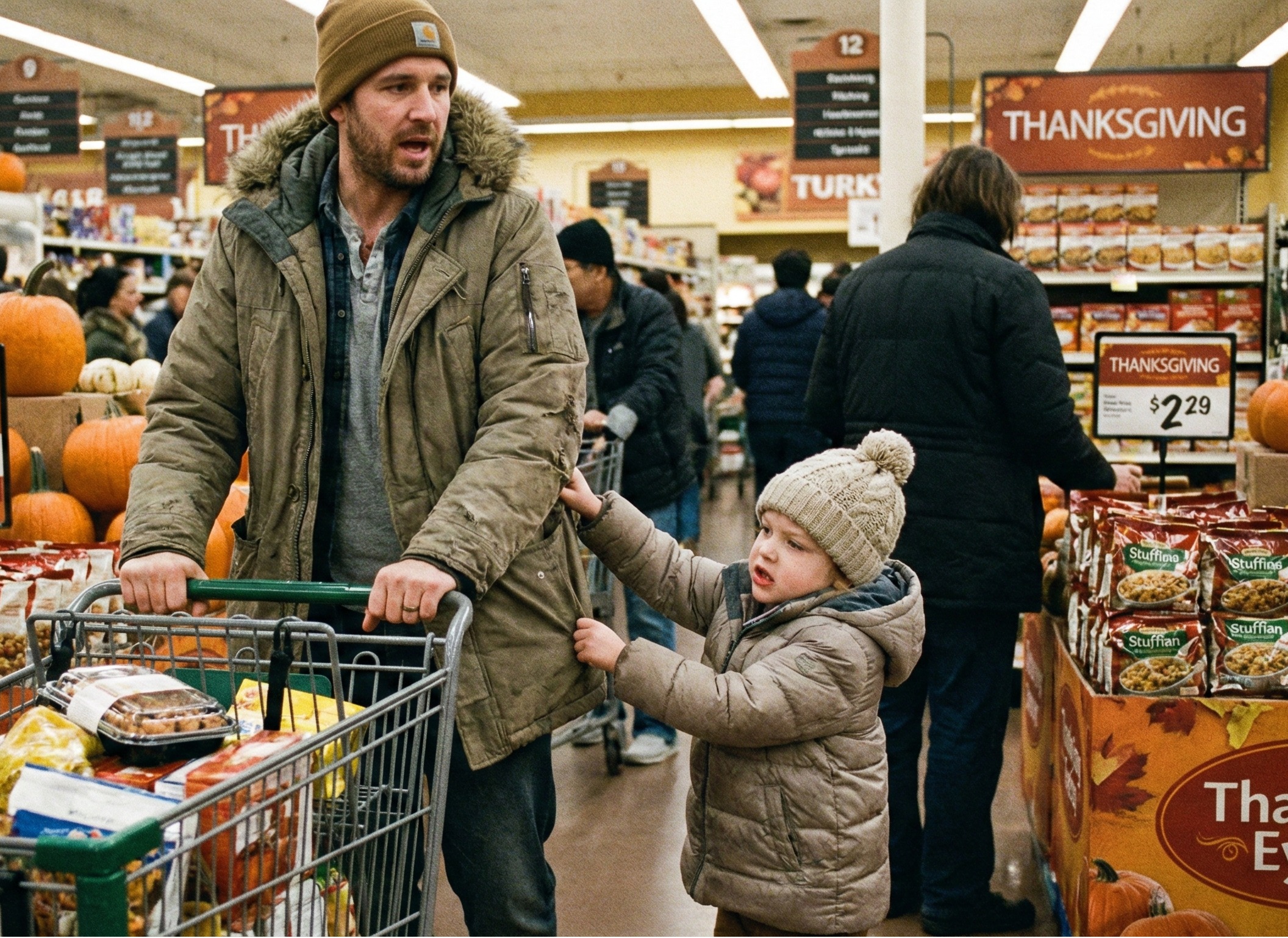
I was in a crowded grocery store a few days before Thanksgiving. The line stretched past the greeting cards, and every speaker in the ceiling played a song that seemed louder than the last. A little boy stood beside his dad near the checkout counter. He tugged at the sleeve of the winter coat he was wearing and repeatedly asked when they could go home. His voice was the tired that comes right before a complete meltdown. The holiday season often brings this kind of sensory overload into otherwise routine errands, especially for young children.
The dad tried to soothe him while unloading items onto the belt. The boy rubbed his eyes and pressed his hands against his ears for a moment. The dad glanced around to see if there was a place to shift or a quieter corner to move toward, but the store was full. During the holiday season, crowded spaces rarely offer easy exits or calm pockets to regroup.
It was a familiar November scene. A family doing their best inside an environment that asked a lot of them. Scenes like this repeat themselves throughout the holiday season, even though each family experiences them in their own way.
How Spaces Affect Kids During the Holiday Season
Holiday errands bring a mix of bright lights, fast movement, and long lists. Children feel these layers even before anyone speaks. Their senses stay alert as they track the sounds and the pace of the people around them. They often reach the point of overload long before adults do. The holiday season amplifies these sensory demands because everything feels louder, faster, and more crowded at once.
Parents feel it too. A quick grocery run becomes a crowded maze. There are coats to adjust, items to remember, and a hope that nothing will fall apart in public. That combination creates strain on a parent’s nervous system.
Kids read that strain and react to it. During the holiday season, that strain can build quickly as expectations and time pressure stack up.
Why Noise Matters More Than It Seems During the Holiday Season
A child’s nervous system responds quickly in loud spaces. When the sound grows or the pace shifts, their body searches for something steady. If they cannot find that anchor, their behavior shows signs of overwhelm.
It might appear as crying, clinging, freezing, or repeatedly asking the same question. And again. Noise becomes harder to tolerate during the holiday season because it rarely pauses or softens.
Coregulation helps here. A steady adult creates a cue that the child can follow. The calm voice becomes a reference point. The presence of a grounded adult gives the child a small sense of control in a space that feels unpredictable. These moments of steadiness are especially important during the holiday season, when unpredictability is pervasive.
The dad near the checkout tried to offer that anchor. He bent down to help the boy adjust his hat so it did not slide into his eyes. He spoke in a quiet tone and kept his movements slow. That gave the boy something stable to focus on, even if the noise continued. Small actions like these can soften the intensity of the holiday season for children who are struggling.
Small Gestures That Shift a Moment
A shopper a few steps behind them noticed their struggle and stepped aside to give them more room. The clerk greeted them with a calm voice and waited without rushing. These actions might have seemed small, but they created space for the dad to stay steady. They also gave the child a chance to settle without feeling pressure. During the holiday season, these small choices can change the emotional direction of an entire moment.
Parents often worry that those around them expect perfection. A little patience from others can ease that pressure. It helps the caregiver remain present with the child rather than feeling watched or judged. That sense of shared understanding can feel rare during the holiday season, which makes it even more meaningful.
What Stays After the Errand Ends
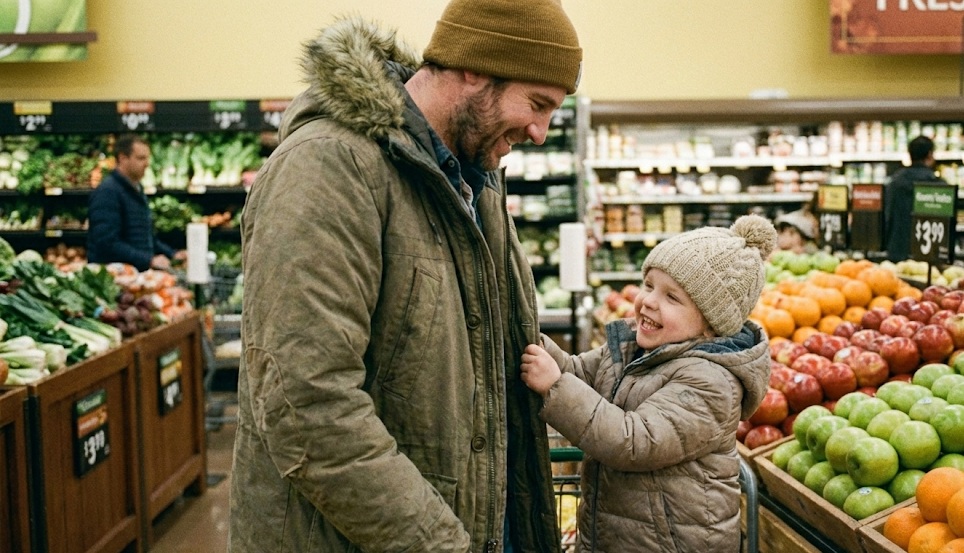
I thought about that family long after I left the store. The boy needed relief from the noise. The dad did what he could to meet him where he was. The people around them played a small role too by offering space instead of urgency, or a side-eye. These interactions linger because they reflect how communities show up during the holiday season.
Holiday errands will always be busy. The lights will blink, the music will play, and the crowds will gather. Even so, moments of steadiness can still exist inside the rush. A quiet tone. A slower pace. A small gesture that helps a family breathe again. These moments become especially valuable during the holiday season, when stress can easily overshadow connection.
Those moments shape how children and experience public spaces. They also shape how parents move through them. And they remind us that support during the holidays often comes from the simplest choices made by ordinary people. During the holiday season, those simple choices can make crowded spaces feel just a little more human.


Comments