
Why a Calm Presence Is a Must When the Holidays Turn Up the Volume
I was in a department store a few days before Christmas. The kind with escalators, bright displays, and the sound of wrapping paper crinkling every few minutes. A toddler sat in a stroller near the customer service counter, kicking one foot against the metal bar while his mom waited to return something. His face was flushed, and his eyes were watery in that way that means a cry is close. Moments like this often call for a calm presence, even when the space itself feels anything but calm.
The mom handed him a snack bag. He pushed it away, and the crackers were dumped all over the floor, the mom scrambling to clean up the mess with a raised voice. She tried pointing to a decoration on the wall, but he didn’t look. His body was already past the point of small solutions. When a child reaches this stage, what helps most is not distraction but a calm presence that signals safety.
Nothing dramatic happened. He didn’t scream, and she didn’t snap. They were just two people caught inside the weight of December.
Why Meltdowns Appear Faster This Time of Year
Holidays add layers to a child’s world. There are changes in schedules, loud music, new people, and bright decorations. Kids take all of that in long before they can tell us what it feels like. Their nervous systems work hard to keep up. A calm presence helps buffer that overload when everything feels heightened at once.
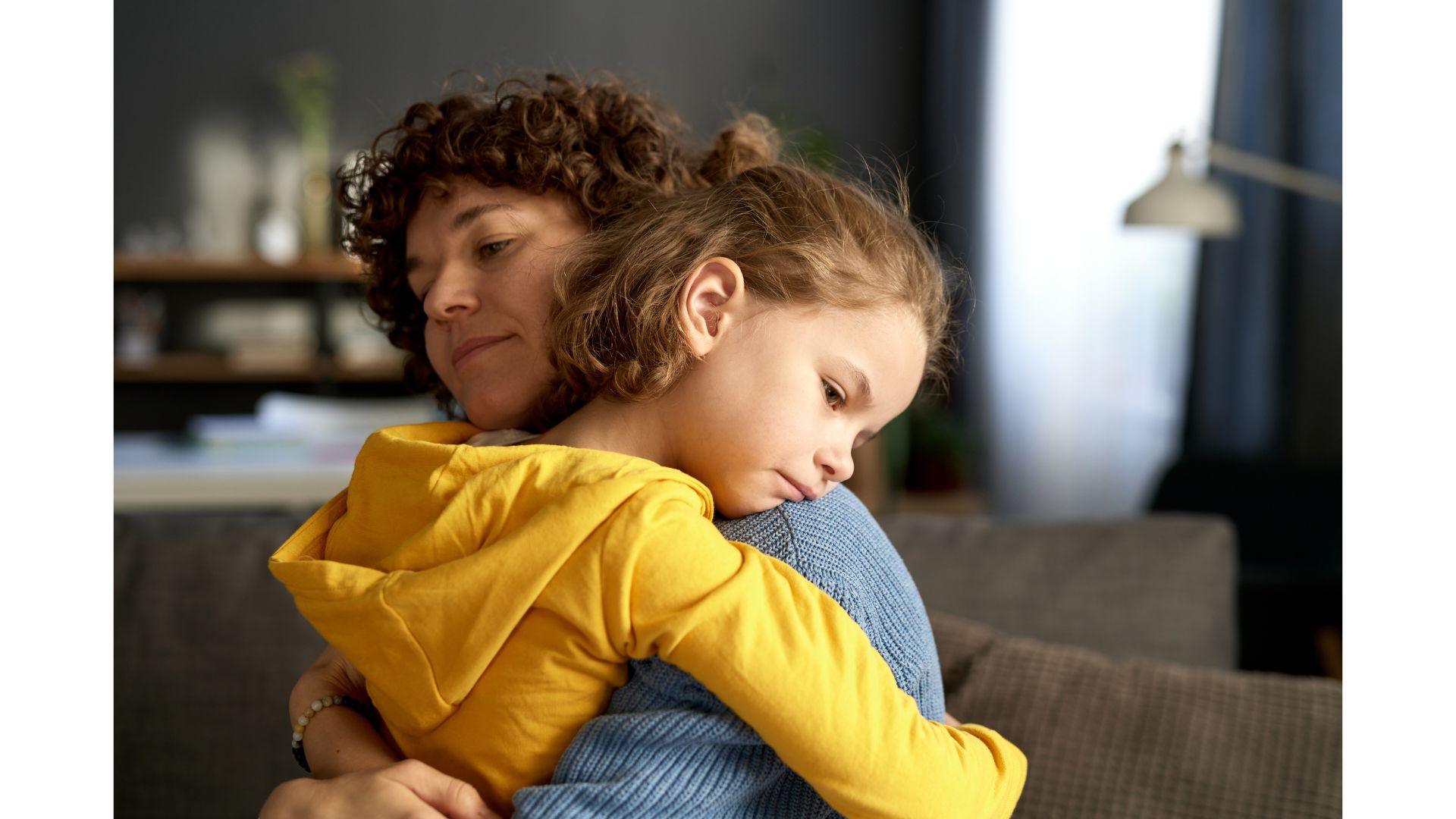
Adults feel the load too. The lists. The deadlines. The pressure to make everything feel special. That strain shows up in posture, tone, or the pace of a conversation. Children read those cues instantly. When the adult feels stretched, the child feels less anchored. A calm presence from a caregiver can restore that sense of grounding, even in busy environments.
A meltdown in December rarely comes out of nowhere. It is the natural result of a nervous system doing the best it can in an environment that keeps asking for more. Calm presence does not prevent stress, but it changes how that stress is carried.
What a Child’s Behavior Is Trying to Say
When a child is on the edge, the signs are small at first. They cling to a sleeve. They refuse a snack they normally like. They repeat questions. They shut down or speed up. They stare at the ground or look everywhere but the parent’s face. These early signals often appear before a child has words or the ability to ask for what they need. Left unsupported, these stress behaviors can quickly turn into yelling, kicking, demanding, or running through the store.
These aren’t misbehaviors and these children are not “bad kids”. They are signals that the child’s body is overwhelmed. A parent who reads those signals and slows down offers coregulation in real time. It is not about fixing the discomfort and punishing the child will not help the situation. It is about steadying the moment long enough for the child to gather themselves. Calm presence creates the conditions for that steadiness to take hold.
When Parents Let Go of the Expectation to Power Through with Calm Presence
At the counter, the mom eventually stepped to the side and knelt beside the stroller. She didn’t tell the child to stop. She didn’t try to distract him with something loud or bright. She placed her hand on the side of the stroller and lowered her voice.
The boy didn’t calm right away, but he met her eyes for a moment, which was enough to shift the direction of the moment. There was no yelling about the discarded crackers or threats about what would happen when they got home. That choice reflected a calm presence rather than an attempt to control the outcome.
That quiet steadiness is often what keeps a meltdown from growing. The parent doesn’t add pressure. They take some away. Calm presence gives the child room to settle without being rushed.
A Calm Presence and a Reflection for the Season
Families see more meltdowns during the holidays because everything speeds up around them. Kids don’t have the same buffers adults have. They show their overwhelm the only way they can. And they need adults who slow the pace instead of matching the rush. Calm presence can become the most effective tool during this time of year.
The mom in the store didn’t change the music or the line or the bright lights. She changed the experience for her child by being present. That presence softened the moment enough for both of them to breathe. Calm presence does not remove stress, but it makes stress more manageable.
Holiday magic is often described as loud and bright. But for kids, the real magic is when someone notices their limits and stays close anyway. Calm presence is often what children remember long after the decorations come down.


Comments