
Supporting Families During Travel Challenges With Proper Airline Staff Training
Air travel is rarely simple. For families with neurodivergent children, it can feel like navigating an obstacle course under public scrutiny. Long lines, loud announcements, unfamiliar routines, and crowded seating leave little room for calm or recovery. When a child becomes overwhelmed mid-flight, the reaction of those nearby, especially the crew, determines whether the moment escalates or de-escalates. That is where effective airline staff training becomes essential.
How One Delta Flight Showed the Power of Preparedness
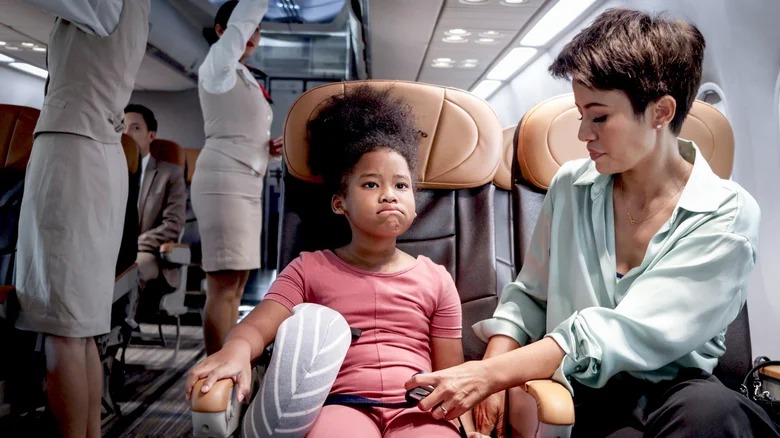
On a recent flight, a young boy with autism began melting down mid-air. He cried, kicked, and yelled as the noise and pressure of air travel became too much. His mother tried to soothe him while facing stares from fellow passengers. Then one flight attendant quietly changed everything.
Instead of showing frustration, he crouched beside them, offered a snack, and remained close until the storm passed. Later, he handed the mother a handwritten note thanking her for her strength. That moment became a quiet but powerful example of how empathy and trauma awareness can shift an entire environment. Prepared staff can transform distress into safety, chaos into calm.
The Difference One Person Can Make
On that Delta flight, the attendant did not wait for someone else to step in. He noticed the signs of distress early and responded with steady presence. He offered support without pressure and stayed near without making the child feel watched. His tone stayed soft, his posture open, and his focus on connection rather than control. He did not try to fix the situation, only to stay with it. That single decision changed the energy of the entire flight.
What Proper Training Looks Like
These skills can be learned and applied in every tense situation. Moving beyond technical safety to include emotional safety helps attendants understand basic child development and the difference between defiance and distress. Crying, yelling, or stimming are not signs of misbehavior; they are forms of communication. When staff learn to recognize those cues, they can respond to the need instead of the noise.
Training also teaches staff how to support caregivers. A parent already feels exposed when a child is melting down in public, surrounded by strangers. What they need most is a steady presence, a calm voice, an understanding tone, and options that reduce sensory overload. Support can mean offering a quieter row, dimming lights nearby, or simply saying, “You’re doing a good job.”
Stress spreads quickly, but calm spreads too. When staff regulate themselves, they help co-regulate those around them. A composed attendant can lower the collective tension of an entire cabin, creating stability even in moments of chaos.
It Does Not Take Much
Airline staff training does not require employees to become behavioral experts. It requires practical tools, practiced often. Staff need to notice early signs of distress, pause before reacting, and choose language that calms rather than escalates. Their posture, tone, and pacing should signal safety, not control.
In the Delta story, there was no formal script, only awareness. The attendant recognized that a meltdown was not a threat, it was a call for understanding. Because he answered with calm instead of fear, the entire flight shifted toward compassion. A meltdown can feel endless when you’re alone. One supportive response can shorten it.
Changing the Culture at 30,000 Feet
Every airline wants smooth flights and satisfied passengers, but comfort should never depend on silencing genuine needs. Just like this mother posted, families remember how they are treated long after they land. A small act of kindness becomes the reason they choose that airline again, while a careless reaction ensures they never do.
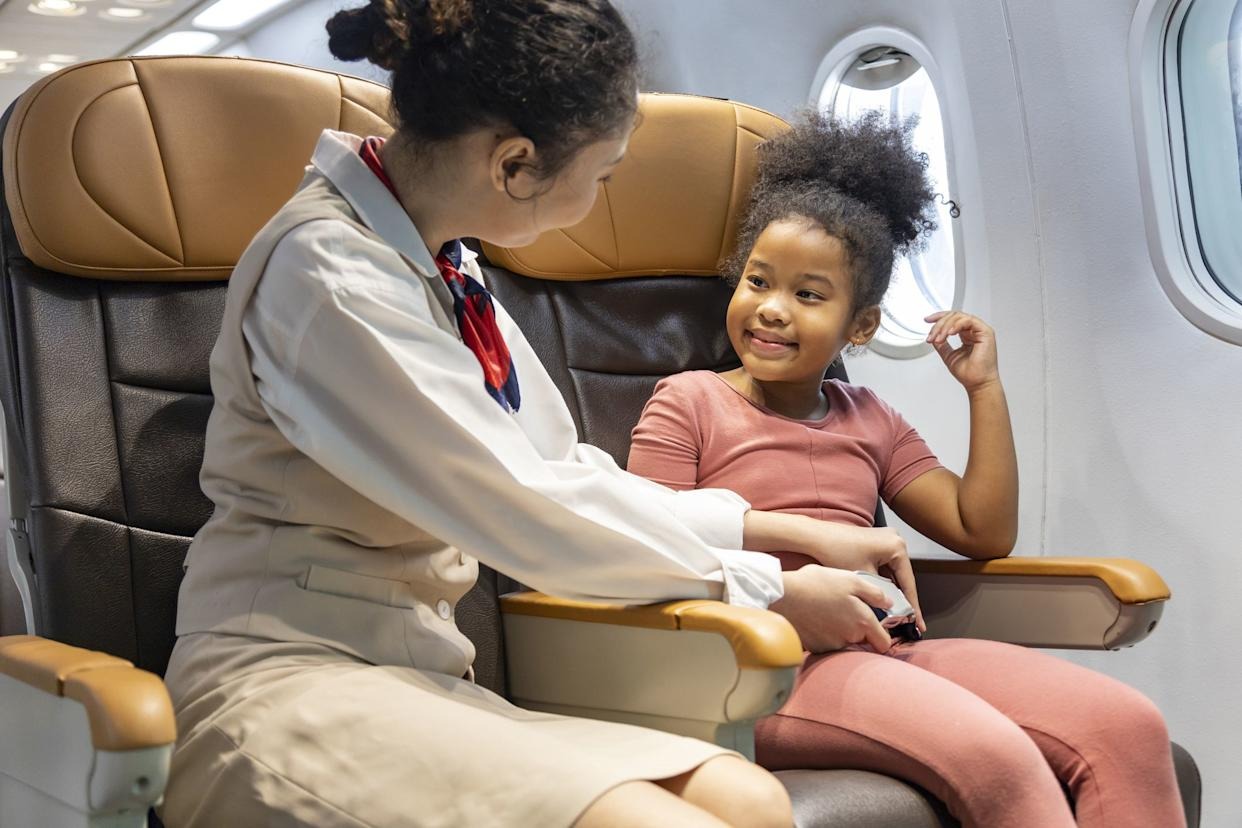
Support Over Silence provides the kind of airline staff training that turns good intentions into confident action. It begins with observation, builds reflection through science, and ends with grounded presence.
When flight crews are trained to stay steady, they do not panic when a child cries, and they do not shame a parent trying their best. They stay patient. They stay kind. They support.
A Better Way to Fly
Families traveling with neurodivergent children do not expect perfection; they hope for patience. They look for someone on board who sees their child as human, not a problem. The mother on that Delta flight will never forget the attendant who wrote her a note. He did not ask for thanks. He offered gratitude. He reminded her she was doing enough.
That moment should not be exceptional. It should be the norm. It should happen on every flight, every day.
What happens when we make that standard? What becomes possible when calm becomes policy? How different would air travel feel if every staff member knew how to stay with hard moments until they passed? What would you notice on that flight?


Comments