
What To Do When You See a Parent Filming Their Child Meltdown
You know that stomach-drop feeling when you realize the parent’s phone is out? The kid is on the floor at the grocery store in full meltdown mode, arms flailing, tears everywhere, the kind of moment every parent dreads during a child meltdown.
And the parents' phone is out. Recording.
You feel your stomach drop. Now what?
You want to support the struggling parent. That's why you're here reading this. But watching a child's worst moment turn into content feels different. It feels wrong in a way that's hard to name, especially when it’s a child's meltdown being captured.
You're not alone in that feeling. And there are things you can do that help both the parent and the child during a child's meltdown.
Why This Moment Feels So Uncomfortable
When you see a parent struggling, your instinct might be to offer support, a kind word, a sympathetic smile, maybe help wrangle a runaway cart.
But when the phone comes out, something shifts.
Now you’re watching a child’s private struggle become public content, wondering if this video will end up on social media, thinking about the kid seeing it someday, and feeling humiliated all over again after a child meltdown.
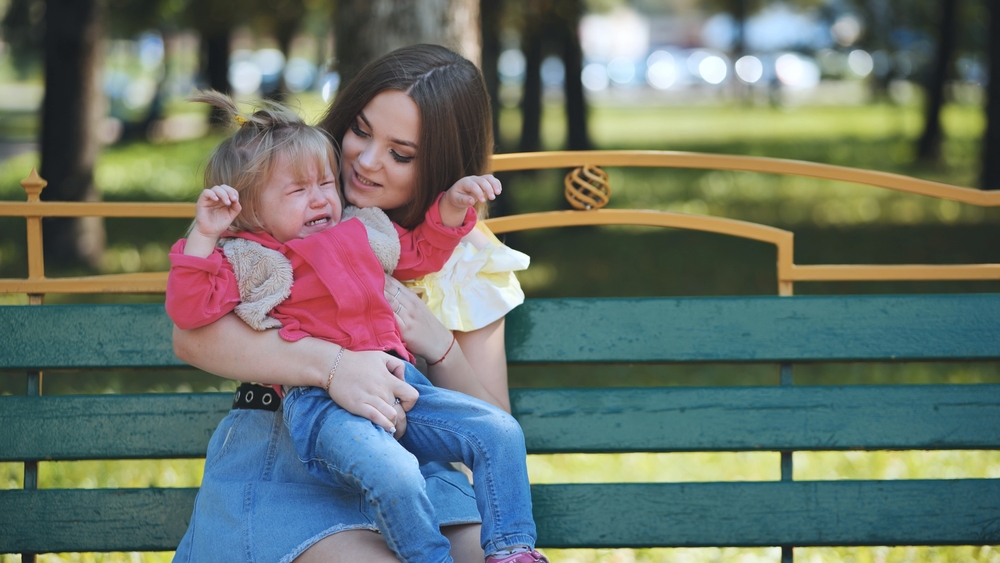
Here's the thing: parents film meltdowns for all kinds of reasons. Some are overwhelmed and need to show their partner or therapist what's happening. Some are documenting for medical reasons. Some just need proof they're not making this up.
And also, when a child is already dysregulated, adding a camera can make things worse during a child meltdown.
What Happens in a Child's Brain When They're Filmed During a Meltdown
When kids are melting down, their stress response is already maxed out. Their thinking brain is offline. They're in fight-or-flight mode, just trying to survive the feeling of a child meltdown.
Adding a camera to that moment adds a layer of shame. Even young kids pick up on being watched and recorded. It can extend how long the meltdown lasts because now they're dealing with both the original overwhelm and the feeling of being on display during a child meltdown.
Think about the last time you cried in public. Now imagine someone filming it. That exposed feeling? Kids feel that too, even if they can't name it yet.
The parent might be documenting out of desperation, not malice. But the impact on the child is real either way, especially in the middle of a child meltdown.
So What Can a Bystander Actually Do?
This is tricky because you want to help without making the parent feel attacked or judged. The simplest move is to offer to hold the phone: “Hey, would you like me to hold that so you can use both hands?” It gives the parent an out without you having to say “stop filming your kid” during a child meltdown.
If the parent seems intent on recording, you can give them something else to capture. Crouch down near the child and offer your calm or make a funny face, be ridiculous enough to pull focus. Now, if they’re still filming, at least they’re filming a kind stranger being silly instead of just their kid’s distress during a child meltdown.
(I once did an impromptu, terrible dance in a Target shoe aisle for this exact reason. The kid stopped crying out of sheer confusion. The mom stopped filming because, honestly, who wants footage of a random woman doing the worst robot dance ever filmed?)
You can also redirect by offering a task: “I’m happy to help soothe your daughter while you put your stuff in the cart.” This shifts the parent’s attention from documenting to connecting. Sometimes parents film because they don’t know what else to do with their hands, and giving them something useful to focus on helps during a child meltdown.
When Is Filming Actually Harmful vs. Just Uncomfortable?
Not all recordings are the same. There's a difference between a parent who's overwhelmed and needs to show someone what they're dealing with and a parent who's creating content from a child meltdown.
A parent documenting out of desperation usually looks stressed themselves: the phone is shaking, they’re still trying to help the child while holding it, they look embarrassed, and the filming seems almost accidental. Content creation looks different.
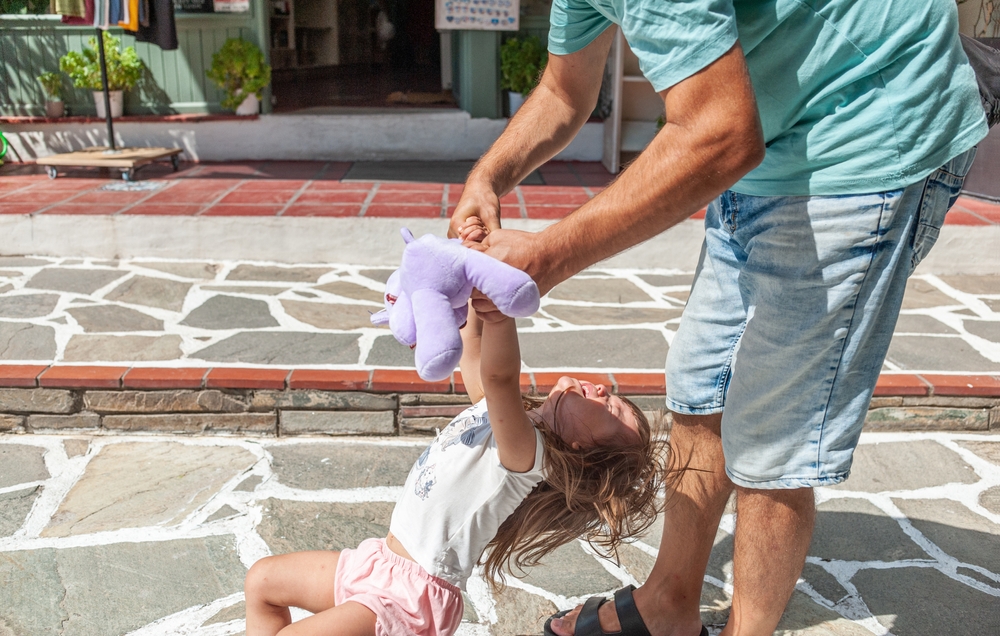
You’ll hear narration to the camera (“Here we go again, guys…”), staged energy, a calm parent filming a distressed kid, or repositioning for a better angle. Your response can be different based on what you’re seeing, but your support as a bystander may be able to help both situations involving a child meltdown.
The Bigger Picture: Why This Matters
Kids are growing up in a world where their hardest moments can become permanent internet content they never consented to and can’t undo, especially moments like a child meltdown. We also have pretty good evidence that putting kids’ pictures online can attract attention from predators.
As bystanders, we can model something different. We can show kids that adults will protect their dignity even when their own parents are too overwhelmed to do it, show parents what support actually looks like, and push back against a culture that treats children’s distress as entertainment. Those viral videos of kids melting down aren’t funny. They’re a child’s worst moment on loop forever, often starting with a single child meltdown.
What This Looks Like in Practice
The phone comes out. The kid is still crying. The parent looks frazzled in the middle of a child meltdown.
Take a breath. The parent is probably overwhelmed, not cruel. The child deserves privacy. You can help both of them. You move a little closer. "Hey, would you like me to grab something while you help them settle?"
Maybe the parent takes you up on it. Maybe they don’t. Either way, you’ve shown up for the child’s dignity and the parent’s humanity at the same time, and that’s a quiet choice that actually matters during a child meltdown.
Want to learn more about supporting families during tough public moments? Our bystander training programs teach practical skills for responding with compassion while protecting children’s dignity.


Comments