
Holding Two Truths at Once: Why "And Also" Helps a Bystander Support Struggling Parents
You know the moment when you walk past someone else’s hard situation and feel your whole body tighten with the urge to do something? I was in the cereal aisle recently when a toddler went flat on the floor, one shoe off, cart half full, parent’s jaw tight, and the woman nearby sighed loud enough for everyone to hear. In moments like this, bystander support often starts internally, before any visible action happens.
I notice moments like this often. We all do. Public parenting is one of the last places where strangers feel entitled to silently evaluate one another.
And in those moments, our brains look for a simple story: That parent has no control. That child is spoiled. This is chaos.
Simple stories calm us by reducing uncertainty and letting us feel separate from the discomfort in front of us. But human behavior is rarely simple. It’s layered, contextual, and relational.
This is where the "and also" approach begins.
Where "And Also" Comes From
The idea that two things can be true at the same time isn't new. Psychologists call it dialectical thinking, and it's been studied for decades as a marker of emotional flexibility.
At its core, dialectical thinking holds two truths at once: acceptance and change, emotion and responsibility, compassion and limits.
It challenges our reflex to collapse into either/or thinking.
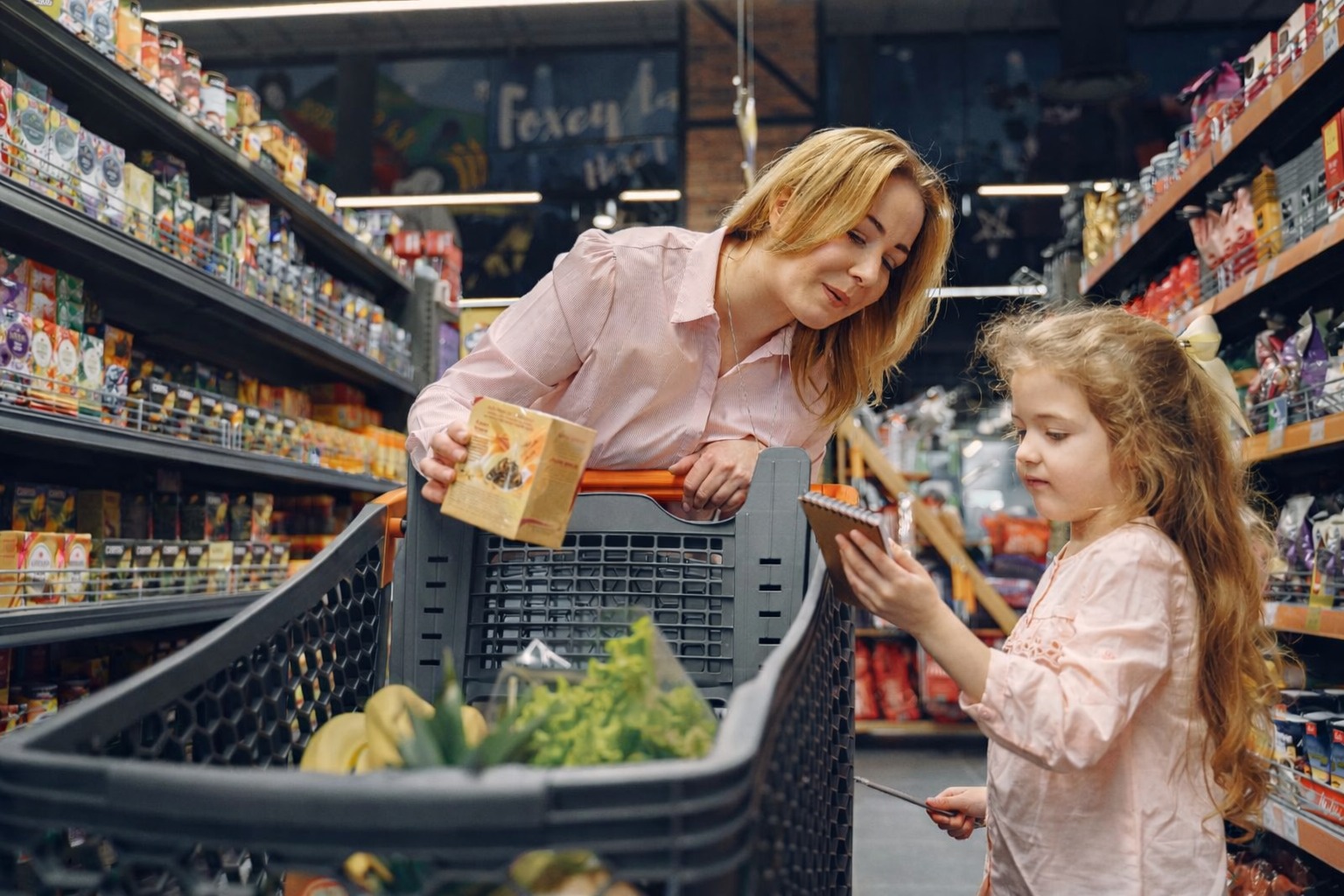
Either I'm a good parent, or I'm failing. Either that child is safe or at risk. Either I step in, or I stay silent.
Dialectical thinking says something steadier: I'm overwhelmed, and I love my child deeply.
This moment is hard, and we can move through it. I feel uncomfortable, and I can choose compassion.
That small shift from "but" to "and" changes everything, especially in how we approach bystander support in everyday situations.
When we use "and also," we're not excusing behavior. We're widening the lens.
Why This Matters for Bystanders in Public Spaces and Bystander Support
In public parenting moments, our nervous systems activate quickly. We come to that space with our own history, our own shame, our own memories of being judged.
The brain under stress prefers certainty, wants a clear villain, and wants distance. And yet connection requires complexity.
A child melting down in a store can be dysregulated and deeply loved, a parent can be at capacity and still deeply invested, and a bystander can feel unsure and still take a small step toward support, which is where bystander support actually takes shape.
When we flatten these moments into a single story, we reinforce silence. Silence grows when we believe only one thing can be true.
If that parent is struggling, they must be incompetent. If that child is acting out, something must be wrong at home.
"And also" interrupts that reflex and gives us room to say: This looks hard. And this family deserves dignity. That’s the stance behind Support Over Silence.
What "And Also" Does to Your Brain (And Why It Helps)
There’s actual science behind this: rigid thinking narrows our stress response and pushes us toward judgment or withdrawal, while flexible thinking broadens our capacity and allows us to regulate before we react. When we practice holding two truths, we build tolerance for ambiguity and reduce the urge to shame.
That matters for bystander support. Children are more likely to disclose hard things when adults can tolerate complexity, parents are more likely to seek support when they don’t fear condemnation, and communities respond more safely when they’re not operating from panic.
“And also” protects dignity while still allowing accountability. It’s not about lowering standards; it’s about raising our relational capacity.
What This Looks Like in Real Time
Back to the cereal aisle. The shoe is still off. The parent now crouched down, whispering through clenched teeth.
You feel it in your chest, that familiar tightening. This is the pause.
This looks overwhelming. And I don’t know the whole story. I feel uncomfortable. And I can choose not to add shame.
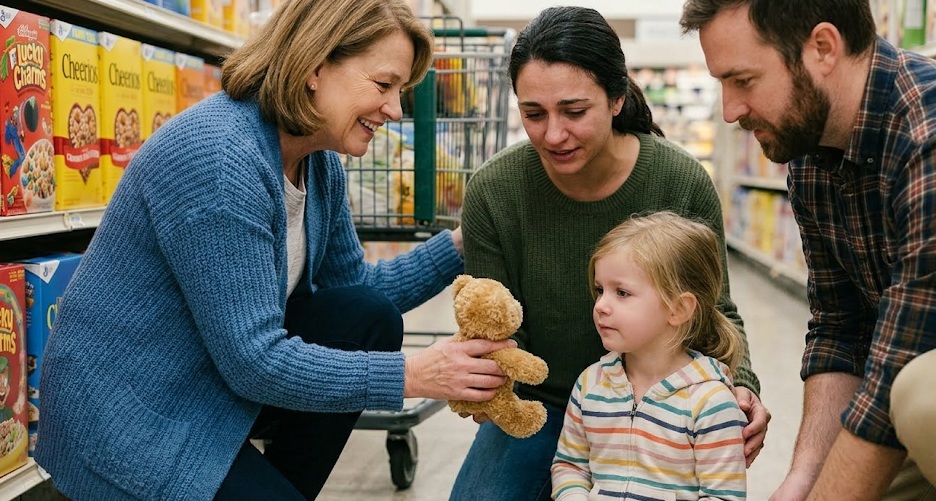
From there, small things become available: a quiet smile, a “we’ve all been there,” a softened face. These are small acts, and they matter more than they look like they do, and they are often how bystander support shows up in real time.
"And also" gives us room to stay connected without pretending the moment is easy.
(I once stood in a Target frozen in this exact internal debate for so long that the parent and child had left before I managed to do anything. So believe me when I say practice helps.)
A Shift Worth Making for Bystander Support
We live in a culture that rewards hot takes, fast judgment, and clean narratives. But parenting isn’t clean, child development isn’t linear, and community care isn’t binary.
When we practice holding two truths as bystanders, we model something different, showing our children that complexity isn’t danger and showing one another that struggle isn’t failure, which is the long-term impact of consistent bystander support.
Support Over Silence begins here, in the quiet decision to widen the story and stay with the complexity long enough to say: This is hard. And we can meet it with compassion.
Want to learn practical skills for supporting struggling families using the “and also” approach? Our bystander support training teaches you how to respond with compassion instead of judgment in public moments.


Comments