
When Your Kid Gets Rejection at the Beach (And Everyone Has Opinions)
If you’ve ever watched a small child wave at strangers and not get waved back, you know the specific kind of secondhand ache that produces. The beach was crowded that afternoon, towels covering the sand, kids running between umbrellas looking for someone to play with. A small child waved at another family, hopeful and friendly. They didn’t wave back. The child turned around and walked back to their own towel.
Moments like this are where bystander support becomes relevant, especially in situations of beach rejection that unfold in seconds.
I watched my chest tighten in that automatic way that happens when you see a kid get shut down.
Why Beach Rejection Hits Different
In January 2026, a similar moment went viral when a mother posted about her toddler being ignored at the beach. The internet exploded.
Some people saw cruelty. Others saw reasonable boundaries. The intensity of the reaction showed how deeply these moments land for parents and how fast we assign meaning to a three-second interaction between strangers.
The beach is supposed to be easy; the kind of place where kids run up to other kids, and everyone shares the sand. Connection just happens naturally.
So when a child reaches out and gets nothing back, it stings.
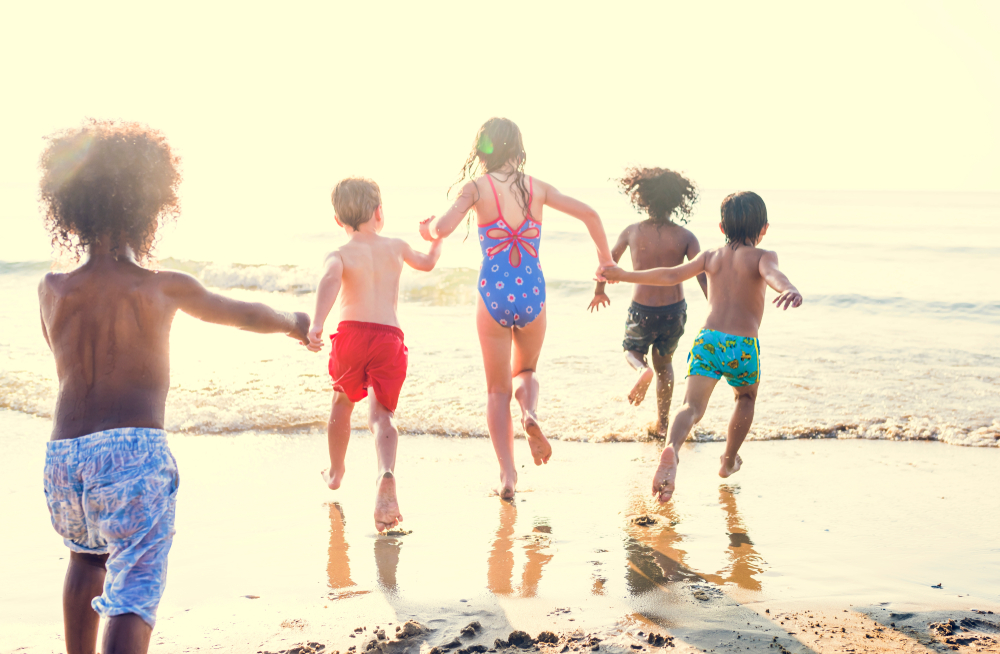
The setting promises belonging, which makes the lack of it feel worse. It was just a few seconds, a small attempt at connection that ended without words. But the reaction that followed was huge, which is why beach rejection often feels bigger than the moment itself.
Parents saw themselves in that moment. They remembered their own kids standing alone on playgrounds or calling out to someone who walked away. The feeling was familiar even if the details were different. It brought up old worries about whether our kids will be welcomed when they show up as themselves.
Some people felt protective. Others felt defensive, wondering why one family's boundary should be interpreted as another family's harm. The moment held both truths, and that's what made it so uncomfortable, and why bystander support becomes complicated in these situations.
The "And Also" Reality
We use this phrase at Support Over Silence: “and also.” It reminds us that more than one thing can be true at the same time. We want kids to feel welcomed, and also, families get to set boundaries. One child can feel hurt, and another child can feel overwhelmed.
It's easier to pick a side and decide who's right. But shared spaces don't offer clean lines. What looks like rejection from one angle might be self-protection from another, which is often the case in moments of beach rejection.
Some kids are shy, neurodivergent, overstimulated, or slow to warm up. None of that is visible from the outside. The "and also" doesn't erase the pain, but it does soften the story we tell about it. And that’s where bystander support becomes more grounded and less reactive.
What a Bystander Can Actually Do for Support
When you witness a moment like this, your body reacts before your brain does, chest tightening, shoulders lifting, pulled toward the kid who was ignored and unsure how to respect the other family’s space at the same time.
So pause. Not to disappear or judge, but to settle yourself first, which is a key part of effective bystander support.
From that steadiness, you can hold both sides. You can see the child who feels hurt, and respect the family who chose not to engage. The goal isn't to fix the interaction. It’s to respond in a way that doesn’t intensify the beach rejection experience.
Support might look like staying nearby with a soft expression, or it might look like saying nothing at all. What matters is that your presence doesn’t add pressure. When your body stays calm, the space feels safer for everyone in it.
Teaching Resilience Through What We Model
Kids learn how to handle disappointment by watching what happens around them. They notice how adults respond when something doesn't go as planned. They pay attention to whether the moment feels safe to feel or gets rushed past.
A rejection can become a quiet lesson, not because of what gets said, but because of what gets modeled. Bystanders who stay calm and unreactive show that a hard moment doesn’t have to turn into a crisis, which is a subtle but powerful form of bystander support.

Softening instead of turning away shows that disappointment can be held without shame. This is especially important in moments of beach rejection where emotions are visible and immediate.
Graceful acceptance doesn't mean pretending nothing happened. It means letting the moment be real without letting it define what comes next. Kids learn resilience when they see that a "no" doesn't end a connection. It just redirects it.
In shared spaces, resilience isn't built alone. It’s shaped by the people who witness the moment and choose steadiness instead of judgment.
There's No Single Right Way
Public moments invite strong opinions and quick certainty. A beach interaction can look simple from the outside. One kid reached out, another didn't respond. But what's underneath is rarely simple. Each family arrives with their own history, boundaries, energy, and capacity.
Some kids move easily toward strangers, and others need time. Some parents encourage openness, and others protect quiet.
None of these approaches is wrong. They're just different nervous systems moving through the same space, which makes bystander support less about correctness and more about awareness.
When we insist there's only one "right" way to handle these moments, we flatten the complexity of real people. Nuance doesn't weaken the community. It makes it stronger.
Holding the Complexity of Bystander Support
The viral beach moment asked people to choose sides. It invited quick opinions and strong reactions. But the actual moment was quieter than all the stories that followed. It was just a kid reaching out, and another family choosing not to respond.
When we slow down enough to hold the “and also,” things shift. It becomes possible to honor the hurt without assigning blame and to respect boundaries without dismissing emotion, which is where bystander support becomes most effective.
Not every moment will end with connection or every reach returned, but when we meet these moments with steadiness instead of judgment, they pass with less weight, even in situations of beach rejection.
The child at the beach eventually found another kid to play with. The moment passed.
Want to learn how to support families during hard public moments? Our training at Support Over Silence teaches practical skills for offering steadiness instead of judgment.


Comments