
Distress Tolerance and Building Resilience After the Holidays
The weeks after the holidays can feel uneven for families. Children shift quickly from overstimulation to routine, and adults tilt from celebration back to schedules and expectations. This adjustment asks something from everyone, though it often shows up most clearly in the children. The contrast between December and the weeks that follow can feel abrupt, especially for young nervous systems.
Distress tolerance describes the ability to stay present during discomfort without shutting down or becoming overwhelmed. Kids learn it through repeated experiences with steady adults, not through lectures or instructions.
When the holidays end, many children find themselves navigating the letdown of returning to ordinary days. Their bodies are still carrying December’s pace while January asks for something different. This gap is often where distress tolerance is quietly tested.
Why Transitions Feel Harder Than Expected
Parents may see more irritability, more sensitivity, or more moments when a child pulls away from tasks that felt easy the month before. These changes are not misbehavior. They are signs that the nervous system is catching up. Transitions require internal effort, even when they look simple on the outside.
Adults experience a version of this too. The shift from celebration to structure creates tension that can influence tone, posture, and the speed at which the day moves. Children sense these shifts before adults say anything out loud. Their reactions often mirror the emotional climate of the home or classroom. Distress tolerance develops within this shared environment, not in isolation.
How Distress Tolerance Develops in Real Time
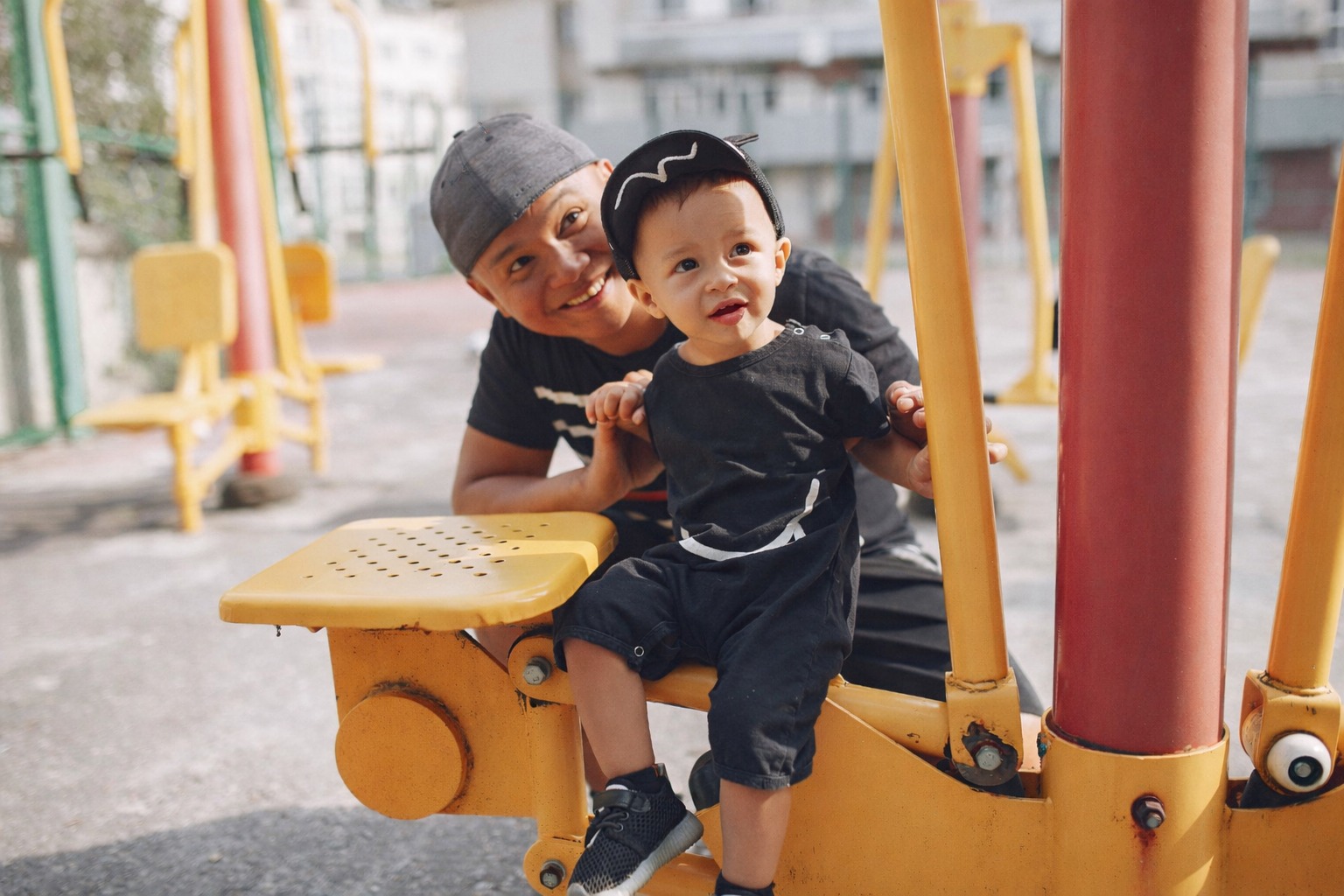
Distress tolerance grows when children encounter small challenges with adults who hold the moment steady. This does not mean removing the challenge. It means staying close enough for the child to feel supported while they work through it.
A calm voice, a clear boundary, a slower pace. These conditions help the child’s nervous system settle enough to keep trying. Each of these moments builds capacity rather than avoidance.
These experiences do not need to be dramatic or instructional. They often happen during ordinary frustrations, getting dressed, starting homework, or transitioning away from preferred activities. When adults stay regulated, children learn that discomfort does not have to end the moment.
Supporting Regulation Without Rushing the Outcome
Families can support this adjustment period by keeping transitions simple and expectations realistic. Routines help, but only when paired with patience. Children benefit from predictability, yet they also need space to land after weeks of stimulation and unpredictability. Distress tolerance strengthens when routines feel supportive rather than rigid.
The beginning of a new year often invites a rush toward improvement or achievement. Children do not experience the calendar that way. They look for connection, especially when their internal pace does not match the external one. Adults who recognize this gap can respond with steadiness instead of urgency. That steadiness becomes the anchor children use to move forward.
Modeling What It Means to Stay with Discomfort
Distress tolerance is not built through pressure. It is built through presence and modeling. When children face discomfort with an adult who stays grounded, they learn that challenges can be managed rather than feared. Over time, this becomes confidence.
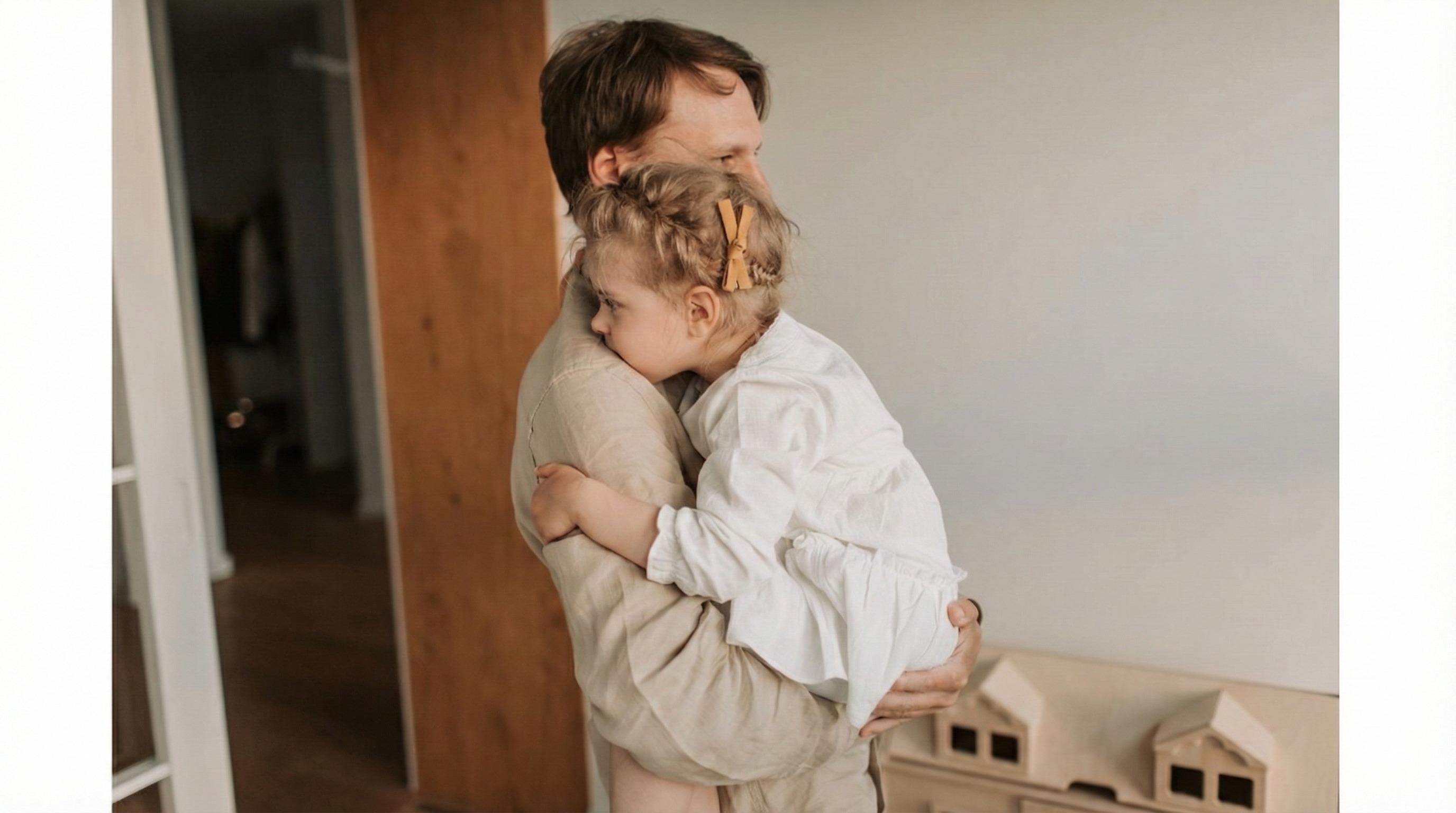
With every success, it teaches them that they’re capable, so the step into harder moments with less hesitation because they trust the relationship guiding them through it and their own skills to manage it. These lessons stay with children long after the moment passes.
Adults do not need to have perfect responses for this learning to happen. Consistency matters more than precision. Returning to calm after difficulty reinforces the message that discomfort is temporary and manageable.
How Everyday Frustrations Build Distress Tolerance
Distress tolerance often grows in moments that feel too small to matter. Waiting an extra minute to leave the house. Losing a turn in a game. Having to stop an activity before feeling finished. These everyday frustrations give children repeated chances to experience discomfort without being overwhelmed by it.
When adults stay nearby and steady during these moments, children learn that distress does not require immediate rescue. The feeling can rise and fall without breaking the relationship or the routine. That experience teaches flexibility in the nervous system, which is the foundation of distress tolerance.
Over time, these small exposures add up. Children begin to trust that discomfort is survivable and temporary. They approach challenges with less fear, not because the challenge disappeared, but because their capacity to stay present has grown.
Carrying These Lessons into the New Year
The post-holiday weeks offer families a chance to practice this in ordinary moments. The transitions may be bumpy, but they are meaningful. They show children that growth does not require perfection. It requires a steady adult, a little patience, and enough room for feelings to settle. Distress tolerance grows quietly in these everyday interactions, shaping how children approach future challenges.


Comments