
The Bystander Who Gave Their Support Without Making It a Big Deal
I was in a public library on a quiet afternoon. The kind of day when the copy machine hums in the background and people move slowly between shelves. A dad stood near the children’s section with his daughter, who looked about four. She held three books against her chest, and her lip trembled in that way kids get when they are trying hard to hold themselves together. Public spaces like this often reveal how much children rely on the emotional tone around them.
Something had gone wrong. Maybe a book she wanted was checked out. Maybe she was tired. Maybe she had reached the limit of small disappointments that stack up in a day. Her eyes filled, and she pressed her face into her dad’s leg, refusing to budge. Moments like this quietly test how safe a space feels, not just for the child, but for the parent too.
The dad knelt beside her. He spoke softly and tried to distract her with another book. It helped for a moment, but her breath stayed shaky and she tucked further into her hoodie. He stayed close, offering reassurance without forcing the moment to move faster.
A woman looking through picture books a few feet away glanced over. She didn’t lean in or interrupt. She simply slid a colorful book toward the edge of the shelf so the girl could see it. Then she stepped back. This small act of bystander support respected the family’s space while still offering help.
The girl looked up. Her crying slowed. She reached for the book. The choice came from her, which helped the moment settle naturally.
It was a simple exchange that lasted only a few seconds, but it changed the moment. Quiet bystander support often works this way, subtle enough to feel safe, effective enough to matter.
How Kids Feel Bystander Support from the People Around Them
Children read tone and body language faster than adults can explain what is happening. When they feel overwhelmed, they look for signs that the environment is safe. A small gesture from someone nearby, even a stranger, can help them settle enough to take the next breath. Bystander support can signal safety without demanding attention.
This woman didn’t try to fix anything. She didn’t step in as an expert. She offered a gentle cue. Her posture stayed relaxed, her voice stayed quiet, and she gave the child space to choose whether to engage. That restraint is often what makes bystander support effective.
That choice matters. It keeps the moment grounded instead of escalating. It allows the child to stay in control of their next step.
Why Support from a Bystander Makes a Difference
Parents often feel watched when things get hard in public. They try to solve the problem faster than they normally would because it feels like everyone is waiting for them to get it right. Something they might easily navigate at home feels more weighty under the watch of other people when it seems that their parenting is being graded. The absence of bystander support can make these moments feel isolating.
When someone nearby responds with patience instead of judgment, it breaks that pressure. It makes room for the parent to stay steady. That steadiness becomes the cue the child follows. Bystander support does not take over, it quietly reinforces what the parent is already doing.
In the library, the dad exhaled when the woman stepped back without crowding them. He kept his focus on his daughter instead of worrying about how the moment looked. That shift allowed the interaction to stay contained and calm.
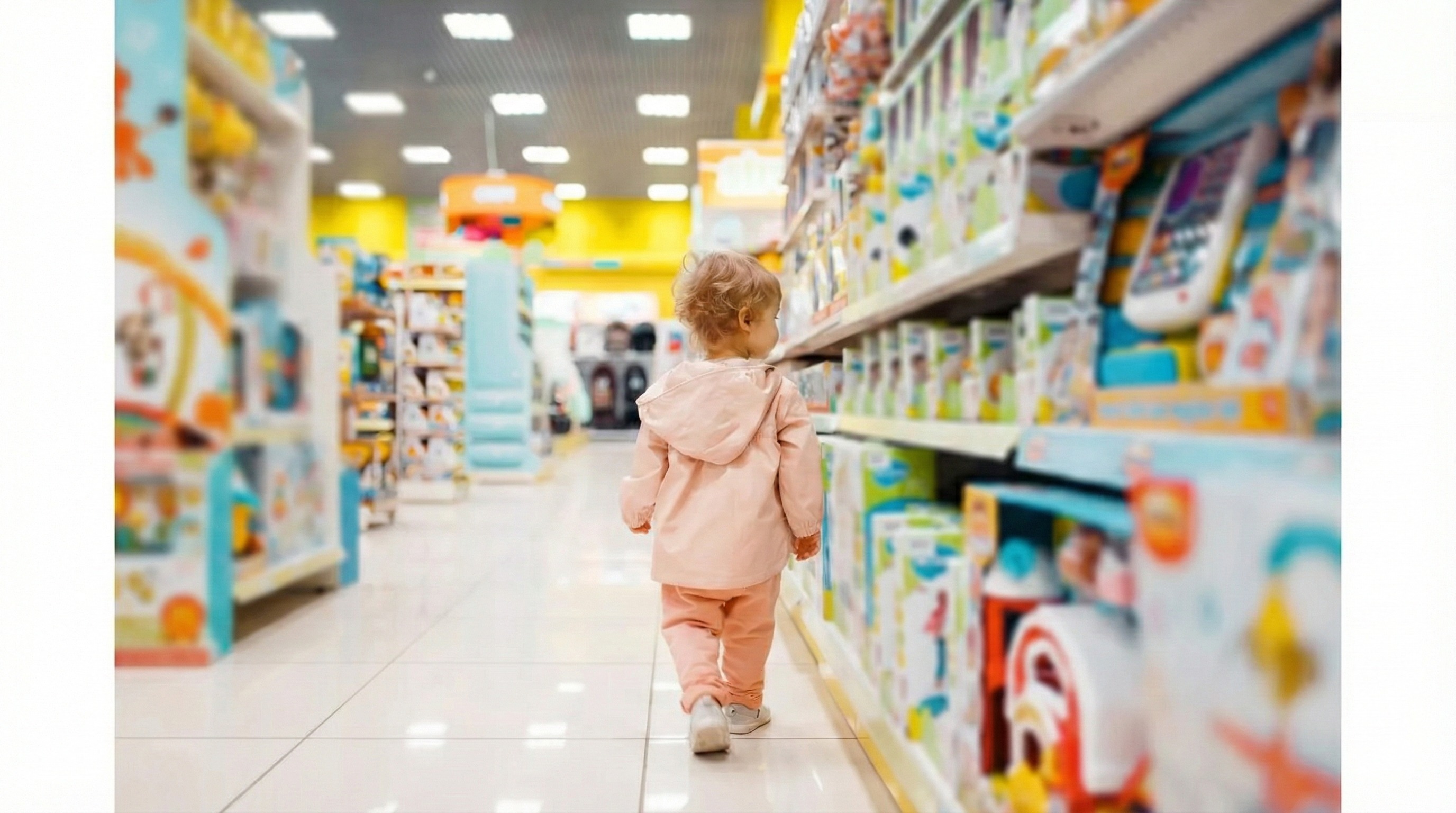
What Bystander Support Can Look Like in Everyday Spaces
Support does not have to be loud or direct. It can be:
A small smile A little more room A softened pace A quiet gesture that says, “You’re not bothering anyone.”
These actions help caregivers feel less alone. They help kids feel seen instead of judged. And they often shift the entire moment without a single word exchanged. Bystander support works best when it blends into the environment rather than drawing attention to itself.
A Reflection for Daily Life
I thought about that library interaction long after the family checked out their books and left. The stranger didn’t fix the child’s feelings. She simply kept the space gentle. The dad stayed present. The girl found something new to focus on. Bystander support allowed all three of those things to happen at once.
It was an ordinary moment made more comfortable by someone who chose awareness over irritation. Those choices shape how public spaces feel for families.
We talk a lot about community in big, abstract ways. But often, it shows up in tiny gestures that help a parent get through a hard minute. The moments aren’t dramatic. They’re human. And they remind us that support rarely requires a grand effort. Sometimes it looks like sliding a book a few inches forward and stepping back with kindness. That is bystander support at its best.


I agree with several points mentioned here. When I looked into the subject further, I also found https://infowomenspace.com. There is some related information worth checking.